The Case for Multimodal Transit
This 5 minute read covers what multimodal is, how it saves money, and what makes Modal different.
What is Multimodal?
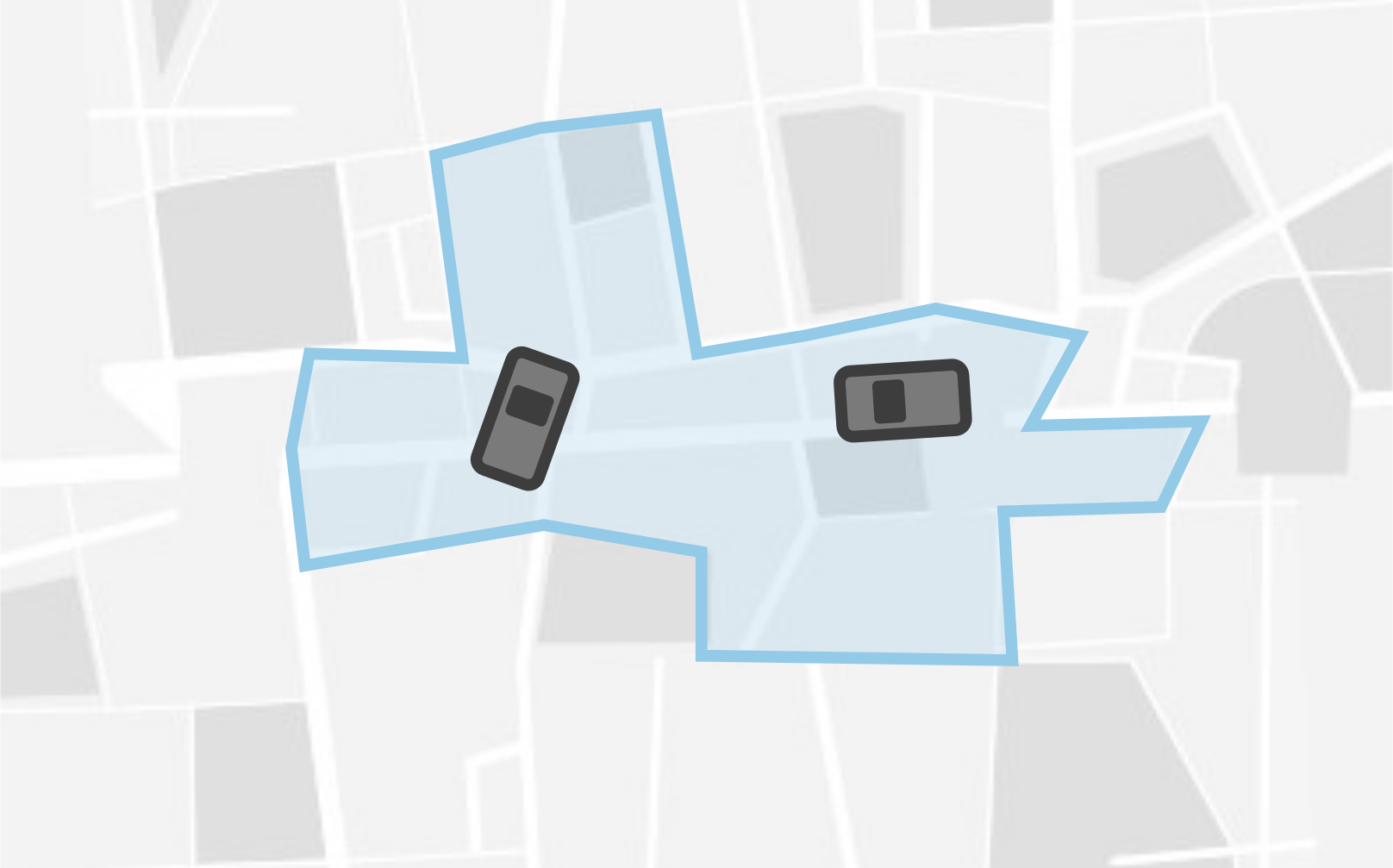
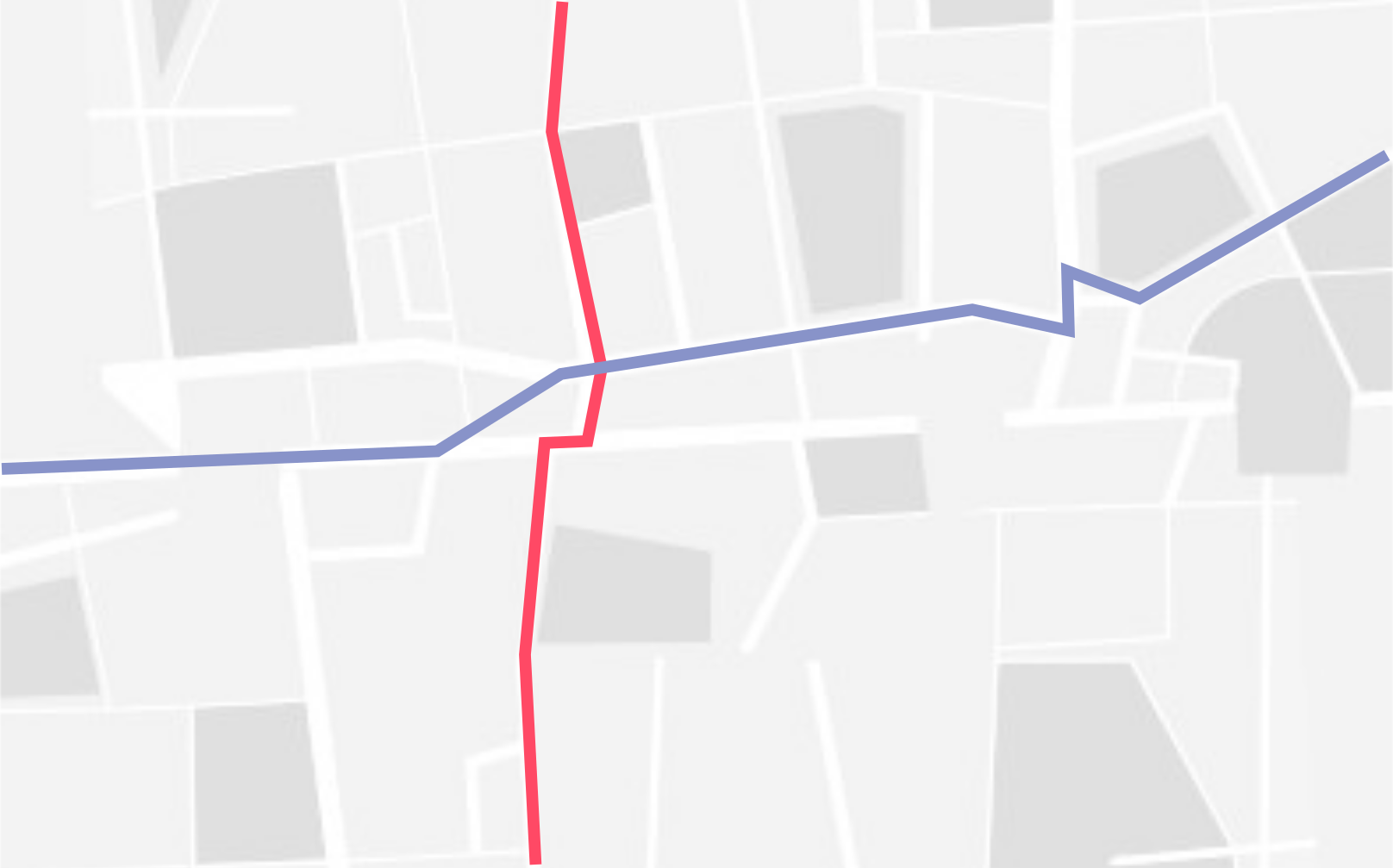
Multimodal transit is the use of multiple modes of transportation for a single trip. In Modal's context, this means combining on-demand microtransit with fixed routes:
Microtransit
Fixed Route (Bus, Rail)
Multimodal
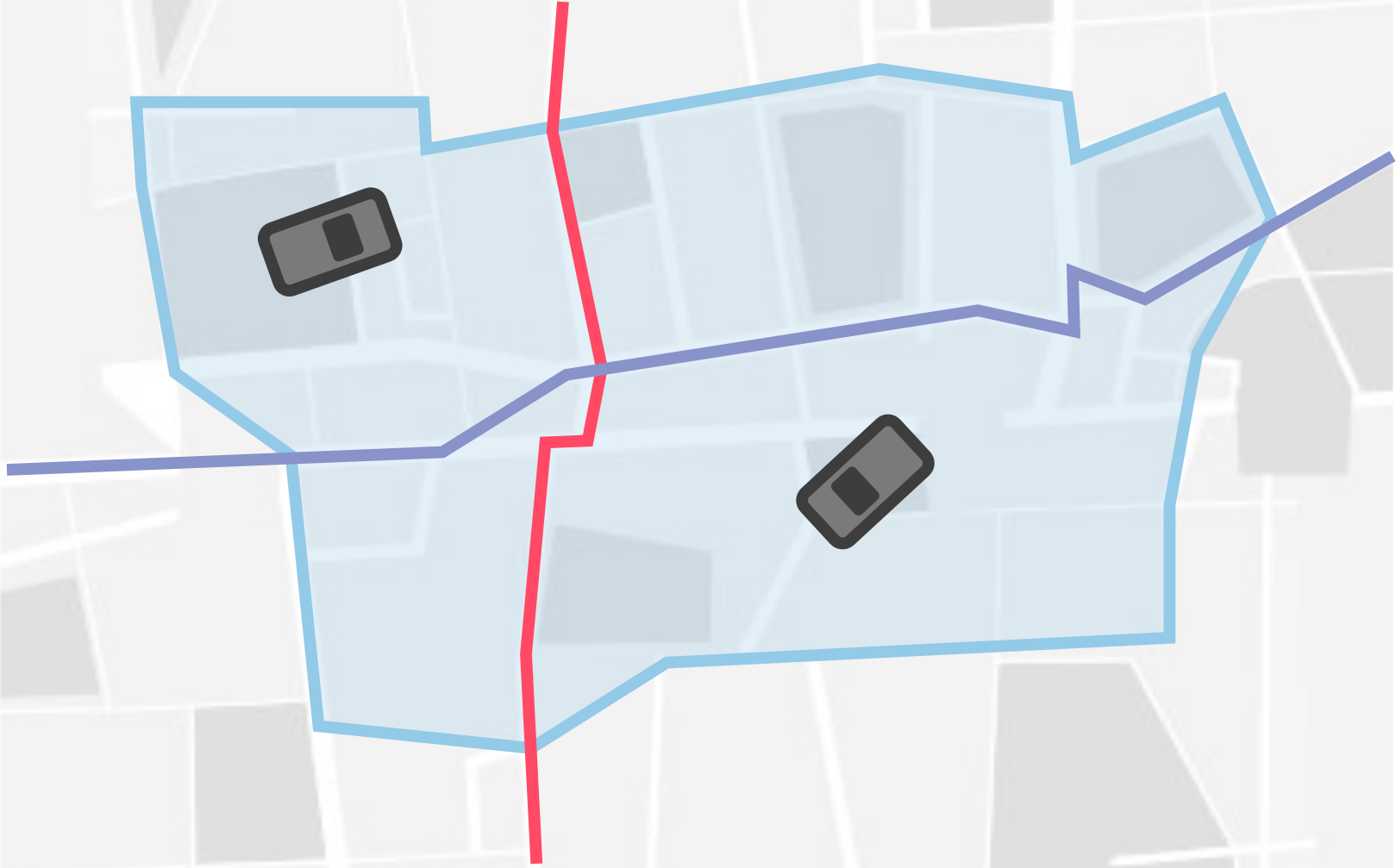
Multimodal combines the best of both. Riders use microtransit for the 'first mile' to get to fixed routes, spend most of their trip on lower-cost bus or rail, and then transfer back to microtransit for the 'last mile' to their exact destination - door to door service at a low cost.
How Does Multimodal Save Money?
Try for yourself - input your data to get an estimate of how multimodal reduces your cost per rider.
So, Where's the Friction?
The answer is simple: the transfers.
In a traditional microtransit system, there are no transfers - just a direct, expensive ride. Transfers introduce massive complexity into the optimization problem. Without top-notch optimization, trip duration spikes and the cost savings are less pronounced.
This added complexity is a major optimization challenge. While competitors offer multimodal features, Modal is the only platform purpose-built for multimodal. Instead of focusing solely on offering transfers, we've spent eight years developing the algorithms for synchronized multimodal at scale.
Modal's optimization delivers lower travel and wait times, increasing multimodal cost savings:

See how Michigan did it 

See how CAT did it

See how MARTA did it
The results are clear: Modal's optimization delivers significantly lower cost per rider at scale.